Australia Shark Incidents: Annual Data, Geography and Context
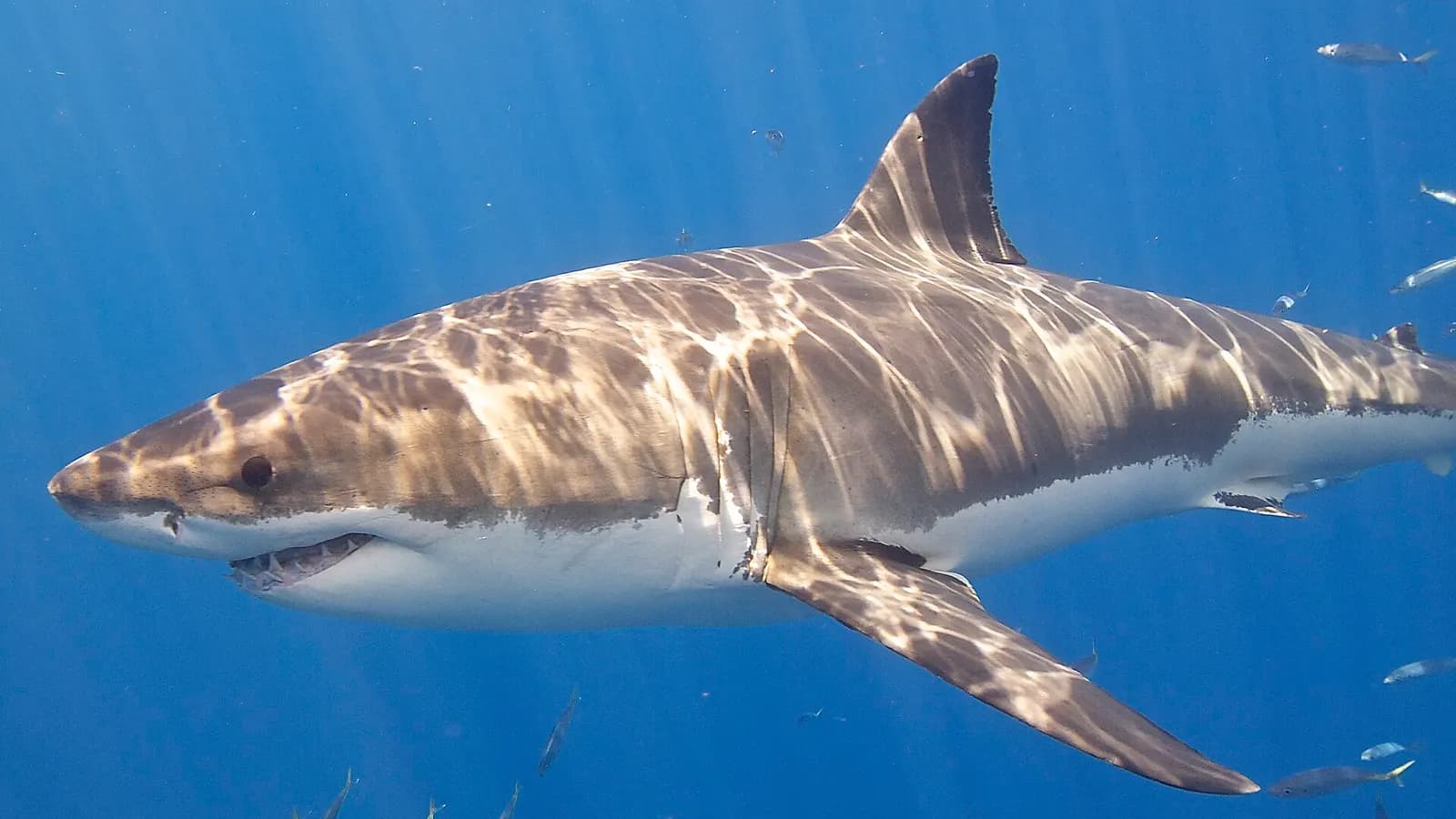
Australia Shark Incidents: Annual Data, Geography and Context
Australia's long coastline, extensive ocean recreation and diverse shark fauna make it one of the countries most frequently examined in global shark incident statistics.
In the International Shark Attack File's 2025 annual summary, Australia recorded 21 confirmed unprovoked shark bites, five of them fatal. The total was higher than the recent five-year annual average cited by ISAF for Australia.
Those numbers describe one investigated year. They should not be converted into a generalized claim that “Australia is getting more dangerous.”
Incidents are geographically distributed
Australia is not one coastline.
ISAF's 2025 summary recorded incidents across Western Australia, South Australia, Queensland, New South Wales and Victoria. The mix of water activities, shoreline geography, marine ecology and human exposure varies greatly among those regions.
A useful Australian map should therefore support state-level filtering rather than showing one national total.
Fatality counts can vary sharply
Fatal outcomes are especially prone to alarming year-to-year comparisons because the numbers are small. A change of several cases can produce a large percentage change.
Outcome can be influenced by the species and circumstances involved, injury location, distance from help and emergency response. A fatality count alone cannot identify the cause of a trend.
White shark reporting
White sharks are associated with several serious historical Australian incidents and were identified in multiple fatal 2025 cases in ISAF's summary.
That fact should be reported carefully.
It does not mean every large-shark encounter in Australia is a white shark, and it does not make species identification from a brief eyewitness report reliable. Incident pages need confidence labels.
Surfing and exposure
Australia has a major surfing culture and extensive use of coastal waters. Human exposure is therefore central to interpreting incident counts.
A true risk rate would require a defensible measure such as participant-hours or visits under comparable conditions — data that a global incident map usually does not have.
How to use the Australia section
The country page should allow readers to:
- filter by state;
- select year/range;
- view incident classification;
- include/exclude fresh reported cases;
- filter activity;
- inspect species confidence;
- read sources.
That provides more value than a sensational list of “shark attack hotspots.”
Current safety decisions
Historical and current incident data are useful context. They do not replace beach closures, shark-warning systems, lifeguards or local government notices.
Anyone making a same-day water decision should follow local authorities first.