Shark Incidents by Activity: Swimming, Surfing, Diving and Fishing
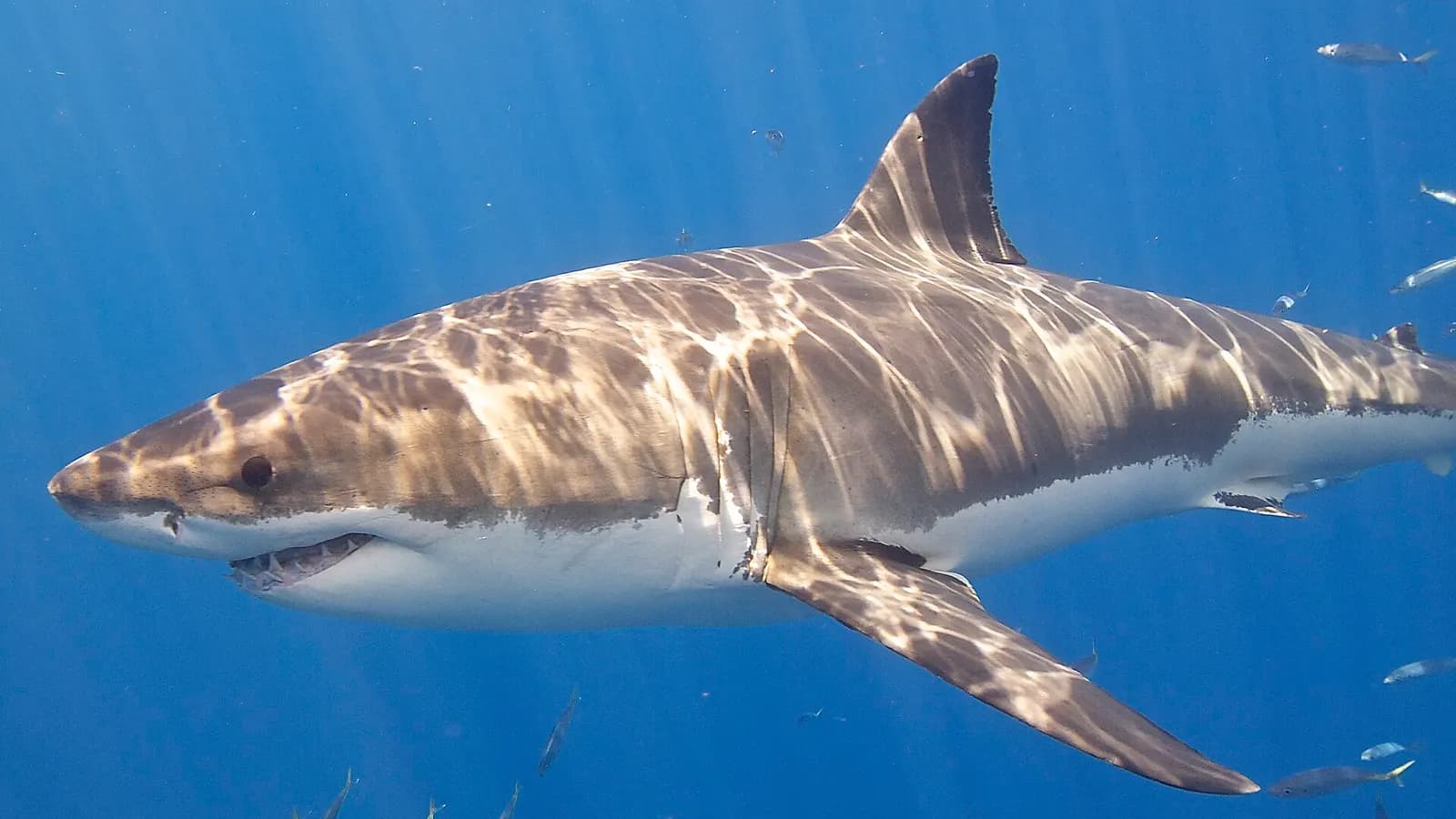
Shark Incidents by Activity
Activity is one of the most informative fields in a shark incident record because it explains what the person was doing when the interaction occurred.
It is also easy to oversimplify.
A higher number of incidents for an activity does not automatically mean the activity is inherently more dangerous. Participation, time in the water, location and behavior all affect the observed count.
Swimming and wading
In the International Shark Attack File's 2025 unprovoked-bite summary, swimming and wading accounted for 46% of victim activity, the largest category that year.
That figure describes investigated 2025 incidents. It does not mean a swimmer has a 46% chance of being bitten. The denominator — the enormous number of people swimming and wading worldwide — is not contained in the percentage.
Surfing and board sports
Board sports accounted for 32% of the 2025 ISAF activity breakdown.
Surfers often spend long periods beyond the breaking waves in coastal locations that may overlap with marine wildlife. Popular surf destinations also produce large amounts of exposure, which matters when interpreting record counts.
When browsing surf-related incidents on this site, compare time periods and locations rather than treating the raw total as a direct risk rate.
Snorkeling and free diving
ISAF grouped snorkeling/free-diving at 15% in its 2025 summary.
These activities can take place in very different settings: shallow reefs, offshore sites, clear tropical water and deeper free-diving locations. A single global percentage cannot describe all of those environments.
Fishing and spearfishing
Fishing-related incidents need special classification care.
A person bitten while handling a hooked shark or attempting to remove it from gear may be classified as a provoked incident. A spearfisher carrying or pursuing fish can also be in a different interaction context from a recreational swimmer.
That is why the site stores both `activity` and `incident type`.
Boating and watercraft
Sharks may strike or bite watercraft without biting a person. These records can be valuable for understanding interactions but should not be silently mixed with human bite totals.
Use the boating activity page and incident-classification filter to distinguish those events.
Unknown and historical activity
Historical records may contain vague descriptions such as “bathing,” “working in water,” “fell overboard” or simply no reliable activity.
Do not force uncertain historical language into a modern category when the mapping is not defensible. Preserve the original term and use `unknown` when necessary.
How Shark Incidents uses activity data
Activity pages should include:
- the number of records within the site's documented scope;
- classifications represented;
- verification status;
- country/year distribution;
- a list of incidents;
- an explanation of exposure limitations.
The goal is to help readers understand the circumstances in which incidents were recorded, not to create a simplistic ranking of “most dangerous hobbies.”