Shark Sightings vs Shark Incidents: What the Difference Means
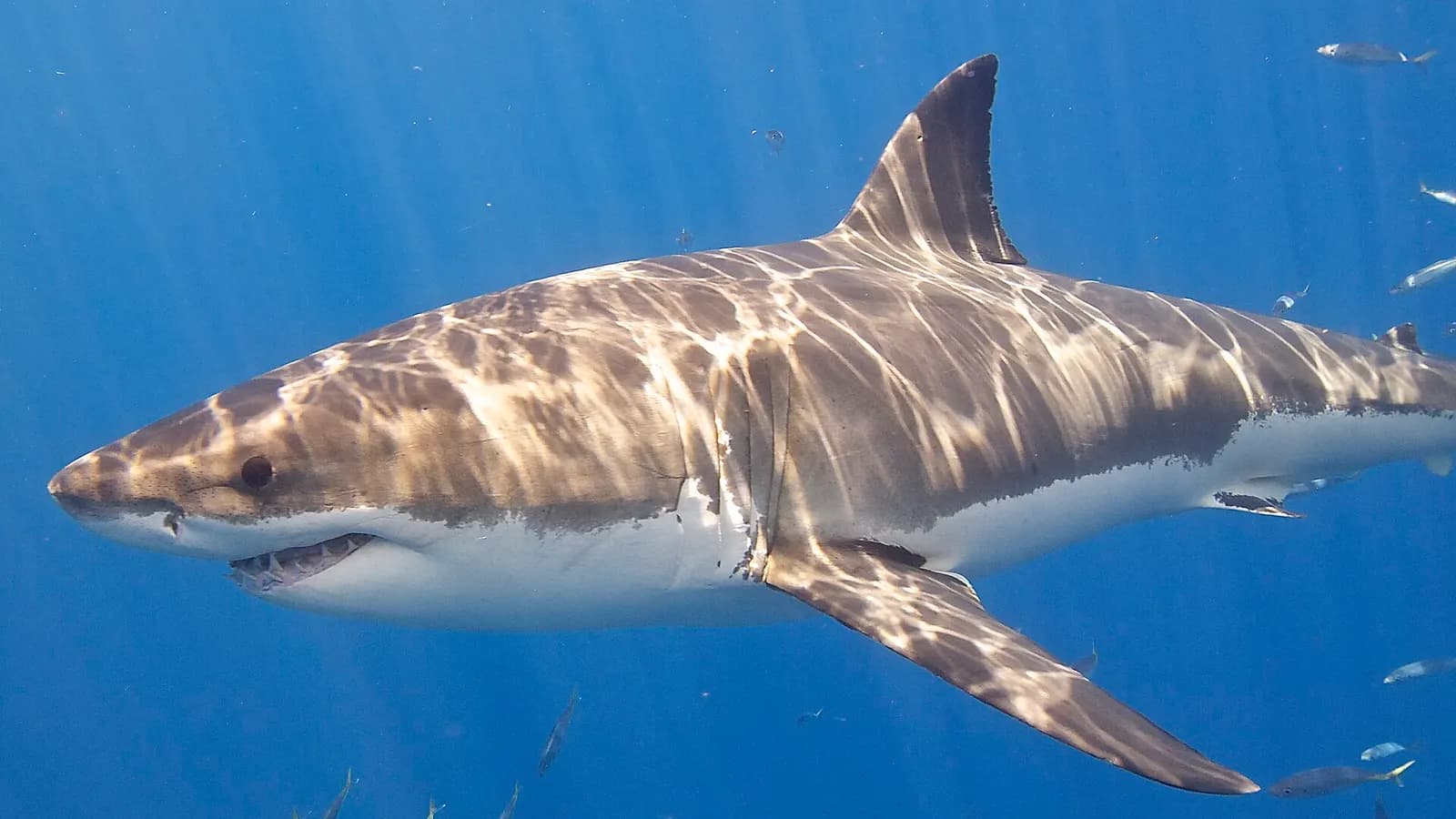
A shark seen from a beach, drone or boat is not the same thing as a shark-human incident.
That sounds obvious, but the distinction becomes important whenever breaking-news monitoring and social media are used to discover possible shark bites. A headline can say “shark encounter” even when nobody was injured. A beach can close because a shark was seen nearby. A fisherman can catch a shark without being bitten. Treating all of those as “attacks” would make an incident database less accurate.
Shark sighting
A sighting records the observation of a shark.
Sightings can be useful to lifeguards, researchers and the public, but they need a different data model from human-incident records. A sighting does not establish that a shark behaved aggressively or that a person was at unusual risk.
Shark Incidents does not place ordinary sightings into the incident database.
Shark encounter
“Encounter” is a broad word. It can describe a diver observing a shark, a shark approaching a kayak, or a close interaction that never results in injury.
When a news story uses the word encounter, the underlying facts must be reviewed before the event is classified.
Shark-human incident
For this site, an incident is a reviewed event in which shark involvement is materially connected to a human interaction or watercraft event under the published methodology.
That can include a bite, a provoked handling event or a watercraft interaction. Questionable records may also be retained when the evidence is incomplete, but their uncertainty must be obvious.
Why this matters for “live” monitoring
Automated news discovery creates false positives.
A system searching the internet for “shark attack” can find:
- old anniversary stories;
- sports teams called Sharks;
- fictional films;
- beach closures after sightings;
- fishing catches;
- repeated copies of the same incident;
- corrections saying the injury was not from a shark.
That is why discovery should create a private candidate rather than a public map pin.
Beach closures are not incident counts
A beach can be temporarily closed because of a sighting, a school of baitfish, another marine animal or a precautionary report. The closure can be useful current information without being added to historical incident statistics.
If Shark Incidents later builds a separate sightings or beach-alert product, it should use a different layer and a different visual symbol from incident markers.
Use precise language
The language used on the page should follow the evidence.
If a person was injured but no animal was seen, “possible shark incident” may be accurate.
If a shark was seen but nobody was injured, call it a sighting.
If a primary authority confirms a shark bite, call it a reported or corroborated shark-bite incident according to the site’s verification rules.
Clear language makes the map more useful and reduces the chance that a dramatic first headline becomes a permanent false record.