Which Shark Species Appear in Human Incident Records?
Which Shark Species Appear in Human Incident Records?
Shark incident databases often attract one immediate question: which species was involved?
It is an understandable question, but species identification is one of the most uncertain fields in many incident reports.
Great white, tiger and bull sharks are frequently discussed in historical and scientific summaries of serious human-shark interactions. Other species also appear in records, including blacktip, nurse, reef, mako, blue, hammerhead and sand tiger sharks.
The important word is identified.
Why identification can be difficult
A shark involved in a brief encounter may be seen for seconds. Water can be dark or turbid. Size estimates made under stress are unreliable. Several species can share a similar silhouette.
A witness may know that the shark was large but not whether it was a white shark, bull shark or another species.
For that reason, Shark Incidents does not turn every reported species name into a confirmed taxonomy field.
Four confidence levels
The site should display:
Confirmed — strong physical, photographic, expert or authoritative evidence supports the identification.
Probable — evidence supports the species, but confirmation is incomplete.
Reported — a source or witness names the species, but the site has not independently established it.
Unknown — there is not enough reliable evidence.
This prevents a common error: charts that look precise because every event has been assigned a species even when the original evidence was weak.
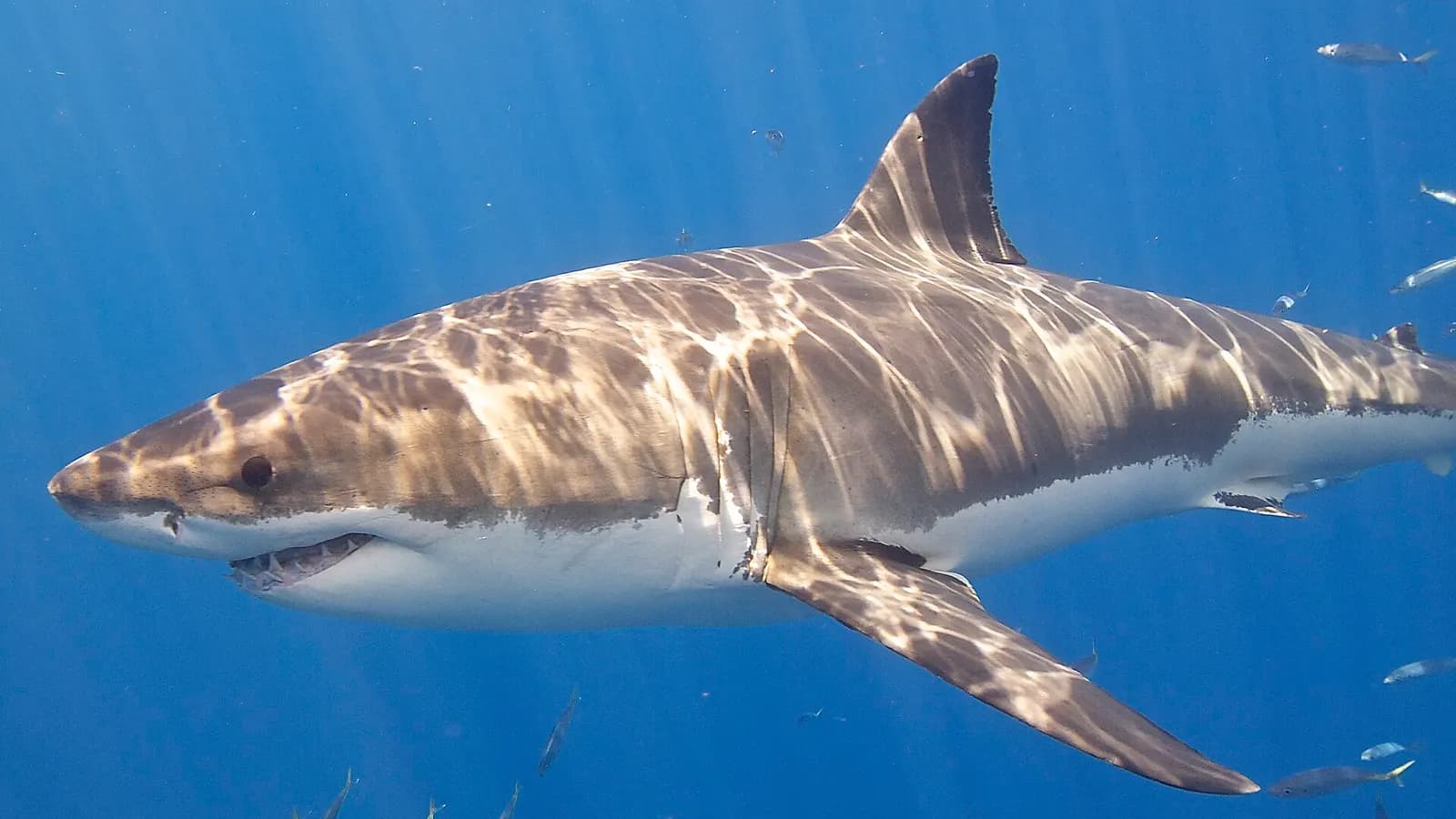
Great white sharks
The great white shark, Carcharodon carcharias, is a large predatory shark with a broad temperate and subtropical distribution. NOAA notes that white sharks can reach roughly 21 feet and may live 70 years or more.
A species page should combine biological information with a filtered list of incident records, but it must make clear how many identifications are confirmed versus merely reported.
Tiger sharks
Tiger sharks, Galeocerdo cuvier, inhabit many tropical and warm-temperate marine environments. They are widely recognizable by their body pattern when young, although markings can fade with age.
As with every species, a dramatic media label should not be treated as proof.
Bull sharks
Bull sharks, Carcharhinus leucas, occur in coastal waters and are notable for their ability to enter brackish and fresh water.
This habitat flexibility makes geographic context interesting, but it still does not justify assuming that every nearshore incident in a bull-shark range involved a bull shark.
Smaller coastal and reef species
Blacktip, nurse and reef sharks can also appear in incident records, particularly where people share shallow coastal or reef environments with them.
The severity and circumstances of interactions vary greatly. A species list should therefore not be presented as a league table of aggression.
The right way to browse species data
Use species filters to explore documented associations, then check the confidence field on individual records.
An honest “species unknown” is better data than a confident guess.