Why Shark Species Identification Is Often Uncertain After an Incident
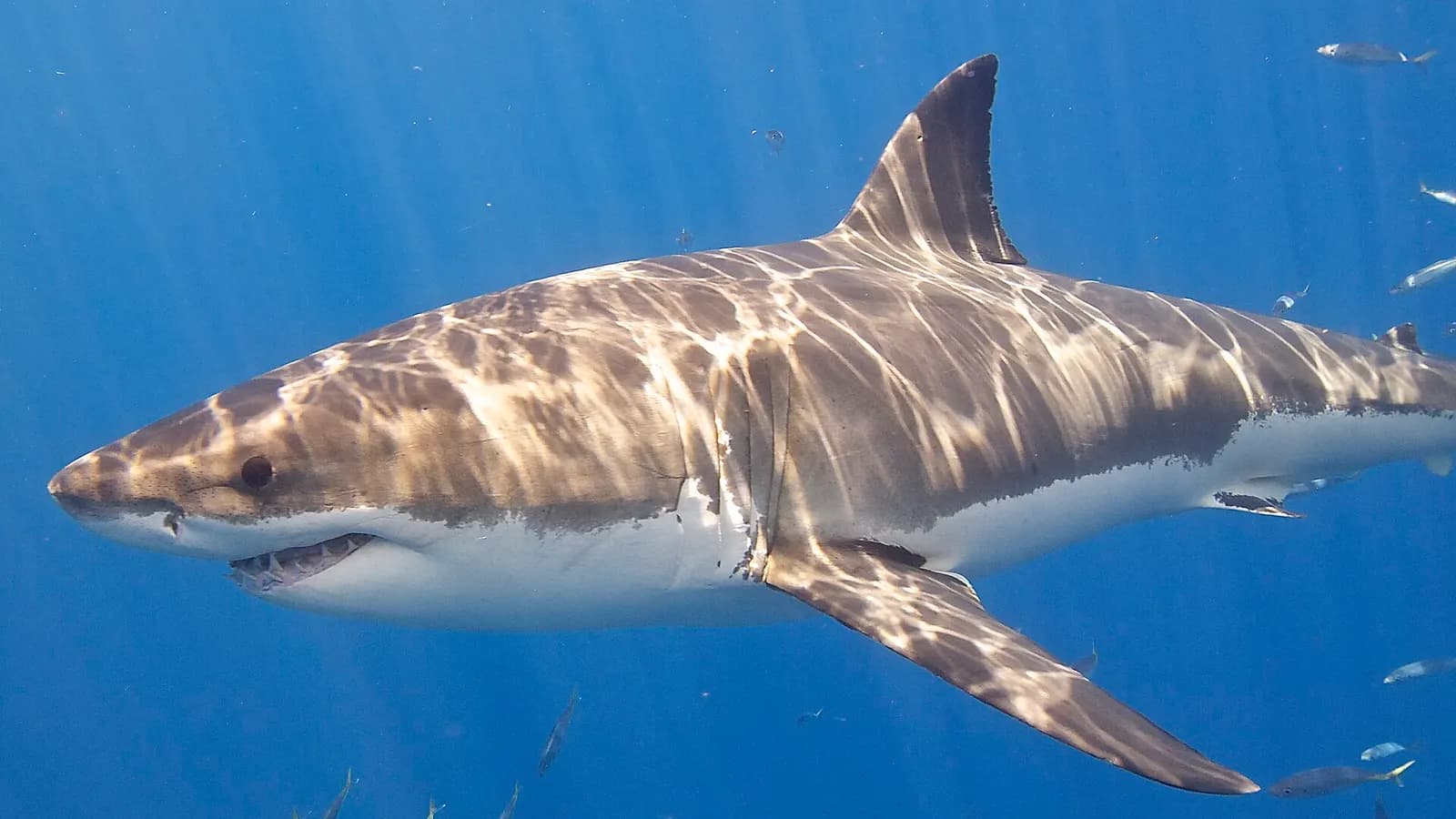
Species is one of the most interesting fields in a shark incident record—and one of the easiest fields to overstate.
A news story may identify a “great white,” “bull shark” or “tiger shark” within minutes of an event. Sometimes that identification is well supported. In other cases it is an eyewitness impression repeated through multiple headlines until it looks more certain than the original evidence.
A brief observation is difficult
Many incidents happen quickly. Water can be turbid, visibility poor and the animal partly submerged.
Size estimates made under stress are also difficult. A witness may see a large shark but not the fin shape, body proportions, coloration or other details needed to separate similar species.
Geography is not proof
Knowing which sharks occur in a region can help assess whether an identification is plausible. It cannot establish the species by itself.
If bull sharks occur near a river mouth, that does not mean every unidentified incident there involved a bull shark.
The database should never convert “species common in this area” into a confirmed species field.
Repeated headlines are still one claim
If ten articles repeat one witness’s statement, there are not ten independent species identifications.
Source lineage matters. The record should show where the identification originated.
Confidence levels
Shark Incidents uses separate confidence values so a species can remain useful without being overstated.
Confirmed should require strong evidence such as clear imagery, physical evidence, expert identification or an authoritative investigation.
Probable means the evidence points toward the species but is not fully conclusive.
Reported means a source or witness names the species but independent confirmation is absent.
Unknown is used when the evidence is not strong enough.
Why unknown is valuable
An “unknown” species is not a failed record.
It tells the reader exactly where the evidence ends. It also prevents charts from becoming biased toward famous species simply because uncertain events were forced into a familiar category.
Taxonomy is a separate problem
After the identification is reviewed, the scientific name itself should be normalized through an authoritative taxonomic source such as the World Register of Marine Species.
That avoids duplicate records caused by old synonyms, spelling variants or inconsistent common names.
How charts should handle confidence
Species charts should either:
1. show only confirmed/probable identifications and disclose the filter; or 2. include a visible unknown/report-only category.
Never present a precise species ranking that silently drops uncertain records.
For readers, the most important question is not “what species did the headline name?” It is “how strong is the evidence for that identification?”